
· by Michael Blair, Nashville's HVAC
For most Middle Tennessee houses, the first cold morning of autumn is the first time the furnace has fired in months, and a burning smell from the vents that day is no surprise. Trane’s guide to a heater that smells like it is burning names dust buildup as a common reason for that smell when the heat is first turned on. Most of the time it is dust. Telling it apart from the smells that are not is straightforward once you know what you are smelling for.
The normal one
A furnace that sits idle through a Nashville summer collects dust on its internal parts. When it fires for the first time, that dust burns off, and what reaches the vents is the smell of it scorching. Trane notes that it can even come across as burning plastic, which is why how long it lasts tells you more than what it smells like.
Trane’s advice is to let the unit run for about ten minutes: if the smell fades or disappears, it was most likely the dust, and if it persists or gets worse, turn the furnace off and call an HVAC professional. The same guide treats a burning smell that lasts more than an hour despite troubleshooting as a sign of a bigger problem, and we would not wait that long on one that is getting stronger. A brand-new furnace is its own case; Trane says a chemical odor on first use often comes from manufacturing coatings, and suggests running it for a few hours with the windows open.
The smells that mean shut it off
Natural gas is odorized so you can smell a leak, and PHMSA’s guidance on recognizing a natural gas emergency in your home describes it as a distinctive rotten egg smell. If you smell it, PHMSA says not to flip light switches or use a phone, since either can ignite the gas, to leave the area, and to call 911 from a neighbor’s house or somewhere well away from the leak. Carrier’s furnace troubleshooting guide adds the gas utility to that call and says not to try relighting the furnace. Those calls come before any HVAC service call.
A burning electrical smell is different from dust. Trane’s guide says damaged wiring can lead to problems such as an overheating blower motor, and for any suspected electrical cause its instruction is to turn the unit off immediately and contact a licensed HVAC professional, so do not wait to see whether it clears. A musty smell is slower trouble: Trane traces it to mold or mildew in the heating system or ductwork, often from dirty filters or clogged vents, and says to shut the unit off and have the filter cleaned or replaced before running it again. When a clean filter does not fix it, the ducts are next, which is the kind of problem our ductwork and air quality work is for.
- Scorched dust that fades within about ten minutes: normal
- Rotten eggs or sulfur: gas, leave the house and call 911 from outside
- Burning electrical smell: turn the system off and call for service
- Musty or moldy: mold or mildew in the system or ducts, filter first
- Chemical smell from a newly installed furnace: coatings burning off, ventilate
Why does a lingering furnace smell matter?
A smell that hangs on past that first run deserves attention, partly because restricted airflow can make a furnace overheat. Carrier’s guide says restricted airflow from a dirty filter can cause the heat exchanger to overheat and trip a safety shutoff, and it lists making sure supply and return vents are open and unobstructed among the first checks. That is why the filter and the vents are the first things we look at on a furnace repair call.
Heat does its damage over time. Lennox’s article on a cracked heat exchanger says poor airflow causes a furnace to overheat, that metal run too hot can warp or split, especially in older systems, and that a crack can let carbon monoxide into the home. The EPA’s page on carbon monoxide and indoor air describes the gas as odorless and colorless, so a detector finds it, not your nose. That is the path from an ignored smell to a real safety problem, and it is why a smell that persists or worsens is the thing to react to rather than how strong it is. If you have already been told the exchanger is cracked, our post on what real evidence of a crack looks like is worth reading before you agree to anything.
How do you ready a furnace before the first cold night?
Run the heat on a mild day in early autumn rather than discovering a problem at 6am when it is 28°F outside. Trane’s ten-minute test is easier on an afternoon when you can stay with it, and it puts any trouble in front of you before the cold does. Trane’s gas furnace maintenance checklist recommends a preventive checkup with a dealer every fall before heating season, and Tennessee’s State Fire Marshal’s Office advises having fuel-burning heating equipment and chimneys inspected by a professional every year before cold weather sets in, and the EPA’s carbon monoxide guidance puts that inspection at the beginning of every heating season. The fall visit in our maintenance plan is that inspection.
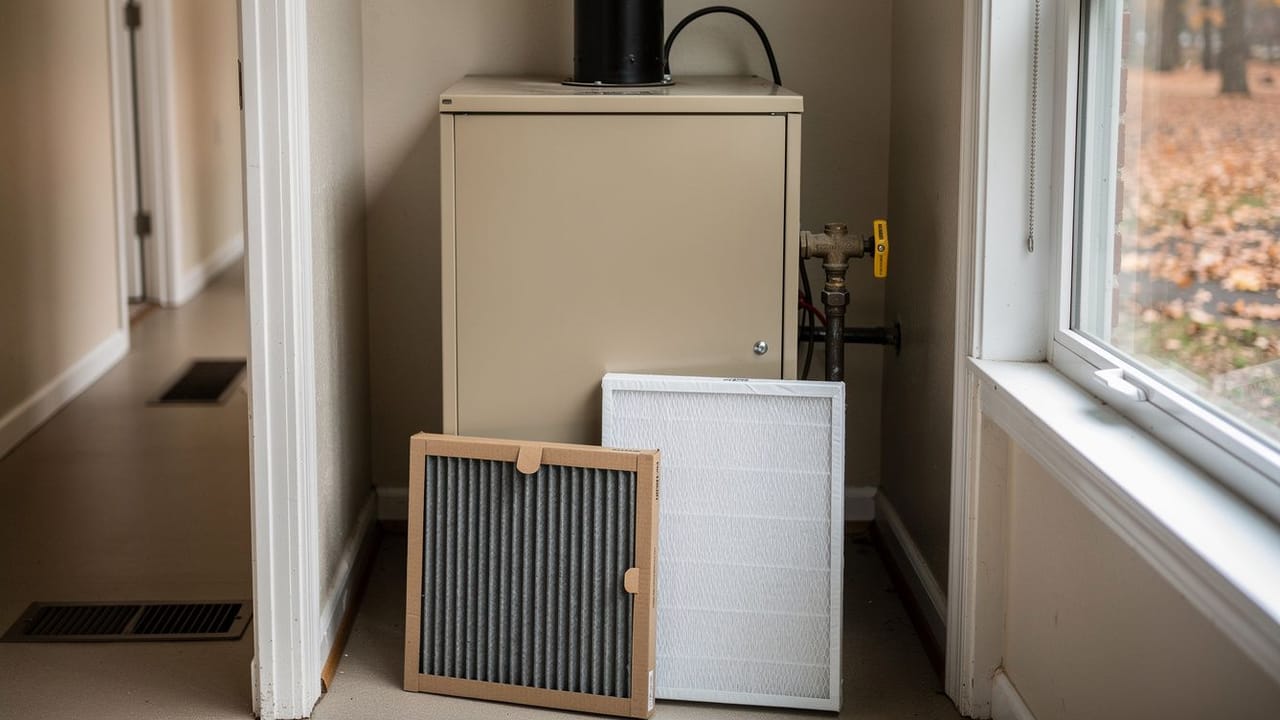
Change the filter first. It is the cheapest thing on the list and the usual starting point for the airflow trouble above; Trane’s checklist suggests replacing it every 30 to 90 days in a home with no pets, and Carrier recommends checking it monthly. Then make sure no couch or rug is sitting over a return and that the supply registers are open, which Lennox also lists among the ways to keep a furnace from overheating. If the smell is still there after all that, contact us and tell us what you are smelling.
Sources
- Trane, Does Your Heat Smell Like It’s Burning? (2023) — Dust buildup a common cause at first startup, can smell like burning plastic; run about 10 minutes, shut off and call if it persists or worsens; over an hour signals a bigger problem; new-furnace coatings and ventilation; electrical smell and overheating blower motor, turn off immediately; musty smell from mold or mildew in the system or ductwork
- U.S. DOT PHMSA, Recognizing and Responding to Pipeline Emergencies — Rotten egg smell of odorized natural gas; no switches or phones near a leak; leave the area; call 911 from well away
- Carrier, Furnace Troubleshooting Guide — On a gas smell, do not relight, leave and call the gas utility or emergency services; dirty filter restricts airflow and can overheat the heat exchanger; keep supply and return vents open; check the filter monthly
- Lennox, What to Do If Your Furnace Has a Cracked Heat Exchanger (2025) — Poor airflow overheats a furnace; overheated metal can warp or split; a crack can let carbon monoxide escape; keep vents and registers unblocked
- U.S. EPA, Carbon Monoxide’s Impact on Indoor Air Quality — Carbon monoxide is odorless and colorless
- Trane, Gas Furnace Maintenance Checklist — Preventive checkup every fall before heating season; replace the filter every 30 to 90 days in a home with no pets
- Tennessee State Fire Marshal’s Office, Carbon Monoxide Awareness Day safety tips (2016) — Annual professional inspection of fuel-burning heating equipment before cold weather; CO alarms outside each sleeping area and on every level
- U.S. EPA, Protect Your Family and Yourself from Carbon Monoxide Poisoning — Fuel-burning appliances inspected by a trained professional at the beginning of every heating season
FAQ
The Burning Smell When Heat First Comes On — questions
How long should the burning dust smell last?
Trane’s guidance is to let the furnace run for about ten minutes; if the smell fades or disappears, it was most likely dust. If it persists or gets stronger, turn the furnace off and call an HVAC professional, and Trane treats a burning smell lasting more than an hour as a sign of a bigger problem. A dirty filter restricting airflow is one cause worth ruling out first.
Should I be worried about carbon monoxide when the furnace first runs?
The start of the season is the time to check rather than worry. The EPA advises having fuel-burning appliances inspected by a trained professional at the beginning of every heating season, and Tennessee’s State Fire Marshal’s Office wants a CO alarm on every floor of the house, placed centrally near the bedrooms. Carbon monoxide has no smell, so test the alarms before the first cold night.
Is a musty smell from the vents an HVAC problem?
It can be. Trane links a musty smell to mold or mildew growing in the heating system or ductwork, often because of dirty filters or clogged vents. Its advice is to turn the unit off, clean or replace the filter, and run it again, and if a clean filter does not clear the smell, to have a professional inspect the unit and the ducts.
Why does my furnace smell like gas?
A rotten egg smell near the furnace usually means a natural gas leak, since the gas is odorized to smell that way. Don’t touch light switches or use a phone nearby, because either can ignite it. Leave the house, call 911 and the gas utility from somewhere well away, and don’t try to relight the furnace.